Source Organic Compressed Puerh Tea for Bulk Orders, Gifts, and Retail
Find 30 verified listings for organic compressed puerh tea from Yunnan and Hunan, China. Buyers can compare loose and compressed styles, packaging options, and health benefits like digestion support and metabolism boosting from certified manufacturers.
Key considerations
Products List


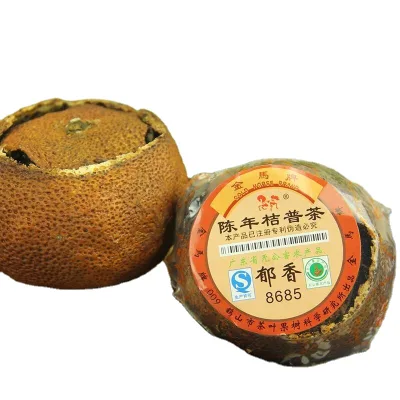
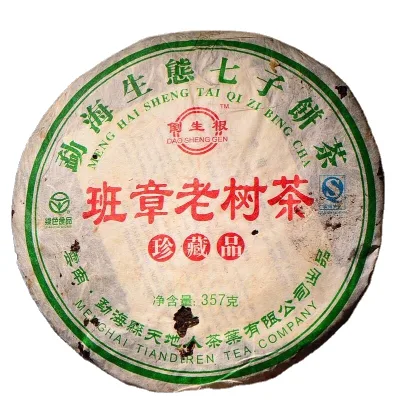
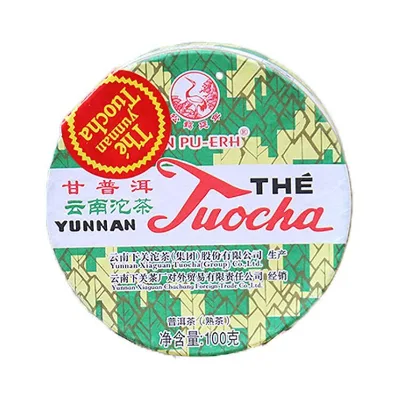
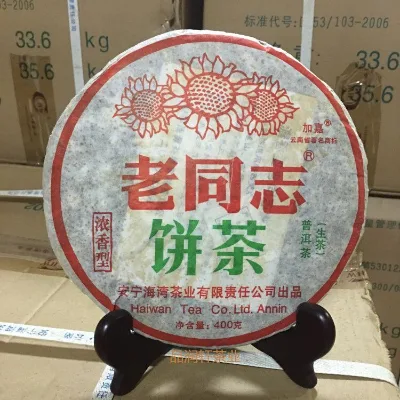




Comprehensive Sourcing Guide
Strategic Sourcing Guide for Organic Compressed Puerh Tea
Understanding Product Variants and Technical Specifications
The market for organic compressed puerh tea presents a complex landscape defined by distinct processing methods, physical forms, and regional origins. When sourcing this specific commodity, buyers must first distinguish between the primary stylistic categories observed in current listings. The data indicates a clear bifurcation between "Loose Tea" and "Compressed Tea" styles. While loose leaf variants exist, the core keyword specifically targets compressed forms, which are traditionally processed into bricks, cakes, or tuos to facilitate aging and storage. The technical specification for these products often includes precise weight standards, such as 250g/bag, 1kg/bag, or 55kg/bag, which dictate the unit of measure for bulk procurement.
The physical dimensions of the compressed tea are equally critical for logistics planning. Observed standard packaging dimensions include measurements such as 664646, which likely refer to the outer carton or the compressed cake dimensions depending on the specific supplier's configuration. Furthermore, the material composition is a defining technical attribute. High-quality listings often cite a blend of Chrysanthemum and Yunnan Fermented Puerh, suggesting that some "organic" offerings may be functional blends rather than pure tea leaves. Buyers must verify if the "organic" designation applies to the tea leaf itself or the entire blend, as the presence of other botanical ingredients like sweet orange peel, nutmeg, or cinnamon introduces different allergen and flavor profiles. The processing type is another vital technical differentiator, with observed methods including Blended, Double-Fermented, and Fermen processes. These terms indicate the degree of microbial activity and oxidation the tea has undergone, directly influencing the final taste profile, which is described variously as "Flavor" or specific taste notes associated with the fermentation stage.
Compliance, Certification, and Regulatory Standards
Navigating the regulatory environment for organic compressed puerh tea requires rigorous verification of certifications and standards. The supply chain for this product often originates from specific regions in China, with Yunnan being the most prominent origin, though listings also reference Hunan. The distinction between these origins is significant, as Yunnan is the historical home of puerh tea, while Hunan may indicate a different processing facility or a secondary sourcing hub. Buyers must confirm the exact origin to ensure authenticity, as the terroir of Yunnan imparts specific characteristics to the tea.
Regarding certifications, the presence of GMP (Good Manufacturing Practice) is a notable high-confidence fact in the current market data. This certification suggests that the manufacturing facility adheres to strict hygiene and quality control protocols, which is essential for food-grade products. However, the term "Organic" in the product title does not automatically guarantee a specific organic certification standard (such as USDA Organic or EU Organic) without explicit documentation. Buyers should not assume that the "Organic" label is universally applied to every listed product; rather, it should be treated as an observation that requires individual supplier verification. Additionally, the product standard "Loose leaf" appears in some contexts, which may be a misclassification for compressed tea or indicate a specific product line that includes both forms. The "Top Grade" designation is another attribute observed, but this is a qualitative claim that must be substantiated through sample testing rather than accepted as a universal standard.
Cost Drivers and Pricing Dynamics
The pricing structure for organic compressed puerh tea is influenced by a wide array of factors, resulting in a broad observed price range of 0.4 to 200 USD. This variance is not indicative of a single market price but rather reflects differences in product grade, packaging complexity, and order volume. The lower end of the spectrum likely corresponds to bulk, unbranded, or lower-grade compressed tea sold in large quantities, while the higher end may represent premium, aged, or gift-packaged varieties. The Minimum Order Quantity (MOQ) is a significant cost driver, with observed ranges spanning from 1 unit to 5000 units. A specific listing notes an MOQ of 1kg, which is a common threshold for small-scale buyers, whereas larger industrial buyers may negotiate based on 15kg/CTN or 10kg/Box configurations.
Packaging choices also heavily impact the final cost. The market offers diverse packaging options including Bag, Bottle, Box, Bulk, Gift Pack, and Carton. A product packaged in a "Gift Packing" or "Box" format will inherently carry a higher unit cost compared to "Bulk" or "Inside Plastic Bag, Outside Carton Box" configurations. The material grade, described as "Top Grade," and the age of the tea, noted as 1-2 years in some listings, are additional value drivers. Older teas generally command higher prices due to the aging process, which enhances flavor complexity. Buyers must analyze the total landed cost, including the packaging premium and the MOQ requirements, to determine the true cost efficiency of a supplier. The "Natural Color" attribute suggests a lack of artificial additives, which may be a cost factor if the tea is sourced from certified organic farms that require more labor-intensive farming practices.
Typical Applications and Market Positioning
Organic compressed puerh tea serves multiple applications ranging from direct consumption to functional health products. The product benefits listed, such as "Support Digestion" and "Boost Metabolism," position this commodity within the health and wellness sector. This functional positioning allows buyers to target health-conscious consumers, dietary supplement retailers, and specialty tea shops. The "Health Tea" specialty attribute reinforces this market alignment, suggesting that the product is marketed not just as a beverage but as a functional ingredient.
The versatility of the product is evident in its various forms. Compressed tea is traditionally used for long-term storage and aging, allowing the flavor to develop over time. However, the "Loose Tea" style and "Blended" processing types indicate that the product is also adapted for immediate consumption or incorporation into other food and beverage formulations. The inclusion of ingredients like Chrysanthemum and spices like cinnamon or nutmeg expands the application scope to include herbal infusions and functional blends. The "Shelf Life" of 3 years is a critical specification for inventory management, indicating that the product is stable for a moderate period but requires proper storage conditions. The recommended storage environment is a "Cool Dry Place," which is standard for tea to prevent mold and preserve flavor integrity. These attributes make the product suitable for a wide range of retail channels, from premium gift shops to mass-market health stores.
Supplier Evaluation and Origin Verification
Evaluating suppliers for organic compressed puerh tea requires a meticulous approach to verifying origin and manufacturing capabilities. The data highlights specific manufacturers, such as Changsha Nutrahealth Bio-Tech Co., Ltd, and origins including Yunnan and Hunan. While these names provide a starting point, buyers should not rely on a single supplier but rather use these as benchmarks for the type of entities operating in this space. The presence of multiple origin points (Yunnan, Hunan) suggests a decentralized supply chain, which can be advantageous for risk mitigation but requires careful quality control.
When evaluating a supplier, buyers should prioritize those who can provide clear documentation regarding the "Organic" status and the specific "Type" of tea, whether it is "Puer Tea," "Puerh," or "Cooked Puerh Tea." The distinction between "Cooked" and "Raw" puerh is fundamental, as it dictates the fermentation process and the resulting flavor profile. Suppliers offering "Double-Fermented" or "Fermen" processes should be scrutinized to understand the specific timeline and conditions of the fermentation. The "Ingredients" field listing "No" in some contexts is ambiguous and requires clarification; buyers must ensure that the product is free from unauthorized additives or fillers. Furthermore, the "Customization" attribute being available is a significant advantage for buyers seeking private label solutions or specific blend formulations. This flexibility allows for tailoring the product to specific market needs, such as adjusting the ratio of Chrysanthemum to Puerh or modifying the packaging size.
Quality Control and Long-Term Procurement Considerations
Ensuring consistent quality in organic compressed puerh tea involves a multi-stage quality control process. The "Shelf Life" of 3 years and the requirement for "Cool Dry Place" storage are critical parameters that must be monitored throughout the supply chain. Buyers should implement strict storage protocols upon receipt to prevent degradation. The "Color" attribute, described as "Natural Color," serves as a visual quality indicator; any deviation from the expected natural hue may suggest spoilage or the presence of artificial coloring.
For long-term procurement, the "Age" of the tea is a key consideration. Listings mentioning "1-2years" indicate that the product is relatively young in the context of puerh aging. Buyers seeking aged tea for investment or premium markets must verify the actual age of the inventory, as the value of puerh tea increases with age. The "Model" numbers, such as H21, BT#22, CB014, and LHOB6061, serve as internal SKUs for suppliers and should be used to track specific batches and maintain consistency in future orders.
The following table summarizes the key technical and logistical attributes observed in the market, providing a checklist for buyers to verify against supplier data:
| Attribute Category | Observed Values | Verification Requirement |
|---|---|---|
| Origin | Yunnan, China; Hunan, China | Confirm specific province and farm source. |
| Style | Compressed Tea, Loose Tea | Verify physical form matches order specification. |
| Type | Puer Tea, Puerh, Cooked Puerh Tea | Distinguish between Raw (Sheng) and Cooked (Shou). |
| Packaging | Bag, Bottle, Box, Bulk, Gift Pack | Confirm packaging material and dimensions (e.g., 664646). |
| Certification | GMP | Request valid certificate and audit reports. |
| Shelf Life | 3 Years | Verify production date and storage conditions. |
| MOQ | 1kg to 5000 units | Negotiate based on volume and budget. |
| Ingredients | Chrysanthemum, Puerh, Spices | Confirm allergen status and organic certification of blends. |
In conclusion, sourcing organic compressed puerh tea requires a balanced approach that combines technical verification of the tea's physical and chemical properties with a strategic evaluation of supplier capabilities. By focusing on the specific attributes of origin, processing, and certification, buyers can navigate the diverse market offerings to secure high-quality products that meet their specific operational and commercial needs. The availability of customization and the range of packaging options further enhance the strategic value of this commodity, making it a versatile choice for B2B procurement in the global tea and health food sectors.
FAQs
What are the common packaging options for organic compressed puerh tea?
Organic compressed puerh tea is available in Bag, Bottle, Box, Bulk, and Gift Pack formats. Buyers can also find specific configurations like 1kg per pack or 15kg per carton depending on the supplier's standard.
Which certifications should I verify for organic compressed puerh tea?
GMP certification is a documented standard for these products, indicating adherence to hygiene and quality control protocols. Buyers must request valid certificates as the organic label alone does not guarantee specific certification standards.
How does the origin affect the quality of organic compressed puerh tea?
Yunnan is the primary origin for authentic puerh tea, while Hunan is also a noted sourcing location. The terroir of Yunnan imparts specific characteristics, so buyers should confirm the exact province to ensure authenticity.
What is the typical shelf life for organic compressed puerh tea?
The product typically has a shelf life of 3 years when stored correctly. Buyers must ensure storage in a cool, dry place to prevent mold and preserve the natural color and flavor integrity over time.
Can I customize the packaging for organic compressed puerh tea orders?
Customization is available for many listings, allowing for private label solutions or specific blend formulations. Buyers can tailor packaging sizes like 10kg boxes or adjust the ratio of ingredients such as Chrysanthemum and Puerh.
What are the minimum order quantities for organic compressed puerh tea?
Minimum order quantities range from 1 unit up to 5000 units depending on the supplier. Some listings specify an MOQ of 1kg, while others may require bulk purchases like 15kg per carton for industrial buyers.